
New Zealand's critically endangered kakapo enters 1st breeding season in 4 years
By IANS | Updated: January 6, 2026 15:59 IST2026-01-06T15:52:15+5:302026-01-06T15:59:27+5:30


Wellington, Jan 6 New Zealand's critically endangered kakapo is entering its first breeding season in four years, raising ...
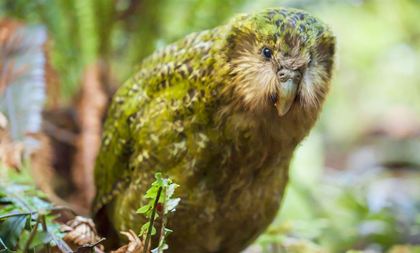
New Zealand's critically endangered kakapo enters 1st breeding season in 4 years
Wellington, Jan 6 New Zealand's critically endangered kakapo is entering its first breeding season in four years, raising hopes for what could be the largest hatching on record.
Remote monitoring detected mating activity beginning on December 29, signalling the official start of the rare parrot's breeding season, the Department of Conservation (DOC) said in a statement on Tuesday.
"This year it feels especially long-awaited after such a big gap since the last season in 2022," said DOC Kakapo Recovery Operations Manager Deidre Vercoe, adding they are preparing for what might be the biggest breeding season since the program began 30 years ago.
The flightless, nocturnal parrots only breed once every two to four years, which only occurs when native rimu trees produce fruit, the statement said, adding that with most kakapo mothers typically raising one chick per season, 2026 could see the most chicks since records began, reports Xinhua news agency.
The total kakapo population stands at 236 ahead of the breeding season, including 83 breeding-age females, statistics showed.
The DOC and Ngai Tahu, New Zealand's South Island's largest Maori tribe, have jointly managed kakapo recovery since 1995, rebuilding the population from just 51 birds, the statement said, adding this season marks the 13th breeding event under the program.
A range of lower-intervention strategies will be applied on New Zealand's three remote southern breeding islands, prioritising checks for genetically valuable eggs and chicks, leaving more eggs to hatch in nests rather than incubators, and reducing supplementary feeding, it said.
The first chicks are expected to hatch from mid-February, according to the DOC.
Disclaimer: This post has been auto-published from an agency feed without any modifications to the text and has not been reviewed by an editor
Open in app