
Maharashtra Budget 2026: Virar, Boisar And Thane To Be Developed Around Bullet Train Corridor, Says CM Devendra Fadnavis
By Lokmat Times Desk | Updated: March 6, 2026 14:58 IST2026-03-06T14:56:26+5:302026-03-06T14:58:18+5:30



Chief Minister Devendra Fadnavis on Friday highlighted major infrastructure plans during the Maharashtra Budget Session 2026 at Vidhan Bhavan, ...
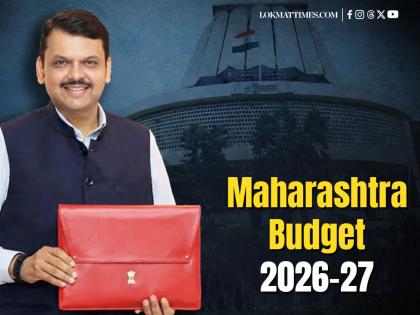
Maharashtra Budget 2026: Virar, Boisar And Thane To Be Developed Around Bullet Train Corridor, Says CM Devendra Fadnavis
Chief Minister Devendra Fadnavis on Friday highlighted major infrastructure plans during the Maharashtra Budget Session 2026 at Vidhan Bhavan, announcing development initiatives around the Mumbai–Ahmedabad bullet train corridor. The government plans to transform several locations along the route into major urban and economic hubs as part of a broader strategy to strengthen connectivity and support regional growth. Areas such as Virar, Boisar and Thane will see integrated infrastructure development linked to the high-speed rail project. According to the Chief Minister, the initiative aligns with Maharashtra’s long-term vision of building world-class transport networks while boosting economic opportunities and urban expansion across key regions.
Development Around Bullet Train Corridor
During his address in the Assembly, Chief Minister Devendra Fadnavis announced that areas surrounding the upcoming high-speed rail route will be systematically developed to support urban growth. Key locations along the corridor, including Virar, Boisar and Thane, have been identified for major infrastructure upgrades. The government plans to improve transport connectivity, civic facilities and economic infrastructure in these areas to support the expected growth triggered by the project. Officials believe that development around the corridor will attract investment, encourage planned urbanisation and create new employment opportunities. The initiative is expected to strengthen connectivity within the Mumbai Metropolitan Region while preparing these cities for future economic expansion.Stations Planned Under Mumbai–Ahmedabad Bullet Train Project
The infrastructure push is closely linked to the Mumbai–Ahmedabad High‑Speed Rail project, India’s first bullet train corridor connecting Mumbai and Ahmedabad. The high-speed rail network will include four stations in Maharashtra: Bandra‑Kurla Complex, Thane, Virar and Boisar. These stations are expected to become key transportation hubs once the project becomes operational. Authorities say the corridor will significantly reduce travel time between the two major cities while also creating new growth centres along the route. With improved mobility and connectivity, these stations are likely to stimulate business activity, tourism and economic development across multiple regions of Maharashtra.Project-SMART To Drive Integrated Urban Planning
To ensure planned development around the corridor, the Maharashtra government is implementing Project-SMART, a programme designed to accelerate integrated station area development. The initiative is being carried out in coordination with the Ministry of Housing and Urban Affairs, National High Speed Rail Corporation Limited and the Japan International Cooperation Agency. Under this framework, authorities will focus on transit-oriented development, multimodal connectivity and sustainable urban planning. The project will also promote land value capture mechanisms to support infrastructure financing. According to officials, the aim is to transform areas around the bullet train stations into well-planned urban clusters that combine efficient transport systems with residential, commercial and recreational spaces.Thane And Virar To Lead Development Model
As part of the initiative, Thane and Virar have been prioritised for the preparation of detailed integrated master plans. These cities are expected to emerge as multimodal gateways connecting rail, road and urban transit networks. The government plans to use the planning models developed in these locations as templates for other stations along the corridor, including Bandra‑Kurla Complex and Boisar. Officials believe that the development strategy will help create balanced urban growth by distributing economic activity across multiple nodes instead of concentrating it in central Mumbai. This approach is expected to improve commuting options and support sustainable development in the broader metropolitan region.Economic Boost And Urban Growth Along Corridor
The development initiative is expected to trigger significant economic activity along the high-speed rail corridor. According to government officials, structured urban planning around the stations will boost real estate development, retail growth and commercial investment. Improved last-mile connectivity and better infrastructure will make these areas more attractive for businesses and residents alike. The bullet train project itself is progressing steadily and is expected to become operational around 2028. Once operational, the corridor will not only reduce travel time but also strengthen regional integration between Maharashtra and Gujarat. The government believes that the project will play a major role in enhancing infrastructure standards and supporting long-term economic growth in the region.
