
Delhi HC issues notice to Centre on PIL challenging Transgender Rights Amendment Act, 2026
By IANS | Updated: April 8, 2026 19:15 IST2026-04-08T19:10:43+5:302026-04-08T19:15:10+5:30



New Delhi, April 8 The Delhi High Court on Wednesday issued a notice to the Centre on a ...
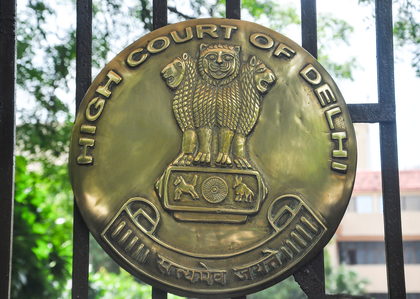
Delhi HC issues notice to Centre on PIL challenging Transgender Rights Amendment Act, 2026
New Delhi, April 8 The Delhi High Court on Wednesday issued a notice to the Centre on a Public Interest Litigation (PIL) challenging the constitutional validity of the Transgender Persons (Protection of Rights) Amendment Act, 2026.
A Division Bench of Chief Justice Devendra Kumar Upadhyaya and Justice Tejas Karia sought the response of the Central government and listed the matter for further hearing on July 22.
The plea, filed under Article 226 of the Constitution, raises questions over whether the impugned legislation can subject the recognition of gender identity to medical certification and verification by authorities, rather than recognising self-perceived identity.
The petition challenges the 2026 Amendment Act on the ground that it dilutes the statutory recognition of self-identified gender, and introduces a regime of state-controlled verification, certification and screening of gender identity.
It argues that such provisions amount to a legislative rollback of fundamental rights recognised by the Supreme Court, particularly the right to dignity, autonomy and personal liberty under Articles 14, 19(1)(a) and 21 of the Constitution.
Referring to the landmark National Legal Services Authority (NALSA) judgment, the plea states that the top court had unequivocally held that gender identity is an intrinsic part of an individual’s personality and must be based on self-perception, free from biological or medical scrutiny.
The petition contends that the impugned amendment violates the right to privacy and decisional autonomy by subjecting a deeply personal aspect of identity to intrusive government control, and is manifestly arbitrary and disproportionate.
It further argues that the amendment imposes restrictions on the expression of gender identity, thereby infringing Article 19(1)(a), and creates barriers in access to identity documents, welfare benefits, healthcare, education, and legal protection.
According to the plea, international human rights principles, including the Yogyakarta Principles and obligations under international covenants, affirm that gender identity is a matter of self-determination and must not be subjected to administrative or medical certification.
Highlighting the practical consequences, the petition states that the amendment creates a real risk of exclusion and denial of rights, as legal recognition of gender identity is often a prerequisite for accessing essential services and protections.
Seeking relief, the petitioner has urged the Delhi High Court to declare the impugned provisions unconstitutional and void for being violative of fundamental rights, and to direct authorities to recognise gender identity based on self-perception in line with the law laid down by the Supreme Court.
Disclaimer: This post has been auto-published from an agency feed without any modifications to the text and has not been reviewed by an editor
Open in app