
China failing to boost its population after a decade of ending one-child policy
By IANS | Updated: January 6, 2026 15:15 IST2026-01-06T15:11:29+5:302026-01-06T15:15:26+5:30


Beijing/New Delhi, Jan 6 China is failing to boost its population even after a decade of ending the ...
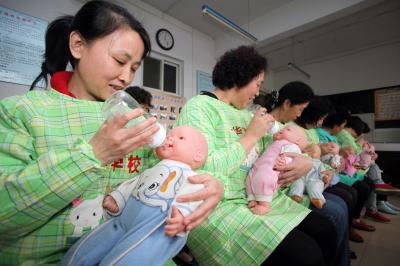
China failing to boost its population after a decade of ending one-child policy
Beijing/New Delhi, Jan 6 China is failing to boost its population even after a decade of ending the stringent, state-enforced birth control policy that skewed its demographics, according to a media report.
The one-child policy, officially enacted in 1980, was targetted at reining in China’s runaway population growth. As the country faced significant demographic challenges, the notorious policy was ended in 2016.
Even after the landmark change -- and several other measures to encourage couples to have more kids -- the country has failed to boost the population rates, the KSLTV quoted CNN as saying.
Between 2022 and 2024, China’s headcount shrank. As per United Nations projections, people aged over 60 now account for more than 20 per cent of the population of 1.4 billion people. They could make up a staggering half of the population by 2100.
Chinese President Xi Jinping has evoked the need for “population security” and made the “development of a high-quality population” a national priority.
However, analysts and common people expect more policies or incentives to support births and marriages, including addressing core issues like high youth unemployment and the high cost of raising children.
“If we want to encourage people to have more kids now, we need to put in the same, if not more, effort and commitment to make it happen,” 30-year-old Welkin Lei from Beijing was quoted as saying.
The “one-child” policy also left China with a gender imbalance and a generation of siblingless children who are now solely responsible for caring for elderly parents in a country where the social safety net remains weak in many places, the report said.
Notably, the country has now launched a pro-natalist directive, with marriage and birth -- for heterosexual couples -- promoted as key to the nation’s future; and charging value-added tax on condoms and other contraceptives.
Other incentives include tax breaks, financial assistance for buying and renting homes, and cash handouts for extended maternity leave.
"So far, policies to boost births have been performative at best, and not addressed the fundamental issues of high child-rearing costs and a weak social security net," said Yanzhong Huang, a senior fellow for global health at the Council on Foreign Relations.
The economic impact of the country’s shrinking workforce and consumer base and the coming cost of caring for a ballooning elderly population would be “profound.”
Disclaimer: This post has been auto-published from an agency feed without any modifications to the text and has not been reviewed by an editor
Open in app