
Increasing shrine attacks in Bangladesh raise concerns over culture of impunity: Report
By IANS | Updated: April 25, 2026 21:05 IST2026-04-25T21:02:47+5:302026-04-25T21:05:24+5:30



Dhaka, April 25 As many as 97 shrines across Bangladesh have come under attack since the 2024 July ...
Increasing shrine attacks in Bangladesh raise concerns over culture of impunity: Report
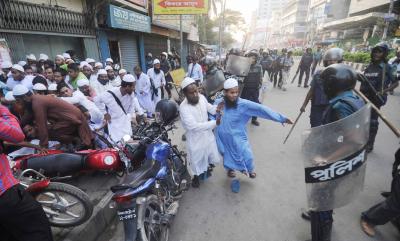
Dhaka, April 25 As many as 97 shrines across Bangladesh have come under attack since the 2024 July protests and through the final phase of the previous Muhammad Yunus-led interim government, with incidents including vandalism, arson, looting, and coordinated assaults.
According to a report in Dhaka Tribune, in the latest case, a spiritual leader, Shamim Reza, was beaten and hacked to death at his shrine in Daulatpur upazila of Kushtia district on April 18, following an attack sparked by rumours of religious blasphemy.
Citing data, the report said that despite nearly 100 such incidents, only 12 cases — including the Kushtia incident — have been formally registered, while progress in most of the investigations remains minimal.
The absence of significant arrests or judicial action in the majority of the cases, it said, fuelled concerns over a growing culture of impunity surrounding attacks on shrines.
The report also cited data documenting more than 100 incidents of attacks, vandalism, and looting at shrines across the country from August 2024 to April 11 this year – creating widespread public anxiety and insecurity in affected areas.
Dhaka-based Human Rights Support Society (HRSS) reported that at least three people have been killed and over 200 injured, including women, during these incidents across Bangladesh.
The report referred to the Sufism-focused research organisation Makam, which recorded more than 50 shrine attacks across districts in the Dhaka division between August 8, 2024, and December 2025. Narayanganj recorded the highest number of incidents at 11, followed by Dhaka with nine, while several cases were also reported across districts, including Kishoreganj, Manikganj, Tangail, Gazipur, and Rajbari. The incidents resulted in the death of two individuals, while nearly 180 people, including women, were injured.
According to Makam, a total of 27 incidents were recorded in the Chittagong division, including 17 in Cumilla, four in Chittagong, three in Noakhali, two in Brahmanbaria, and one in Cox’s Bazar. Several historic shrines in areas such as Sitakunda and Hathazari were also vandalised, Dhaka Tribune reported.
Reports suggest that three shrines in Dhamrai upazila, near Dhaka, were attacked during the tenure of the interim government. Although three cases were registered, no arrests followed, with one shrine resuming activities, while the other two remain closed.
Analysts stated that incidents across Bangladesh stem from a combination of “religious ideological differences, social intolerance, rumour-based mobilisation, political influence, and local power struggles”. They observe that the lack of progress in investigations, arrests, and prosecutions has strengthened the perception of impunity.
Disclaimer: This post has been auto-published from an agency feed without any modifications to the text and has not been reviewed by an editor
Open in app